About Forged Steel Flanges
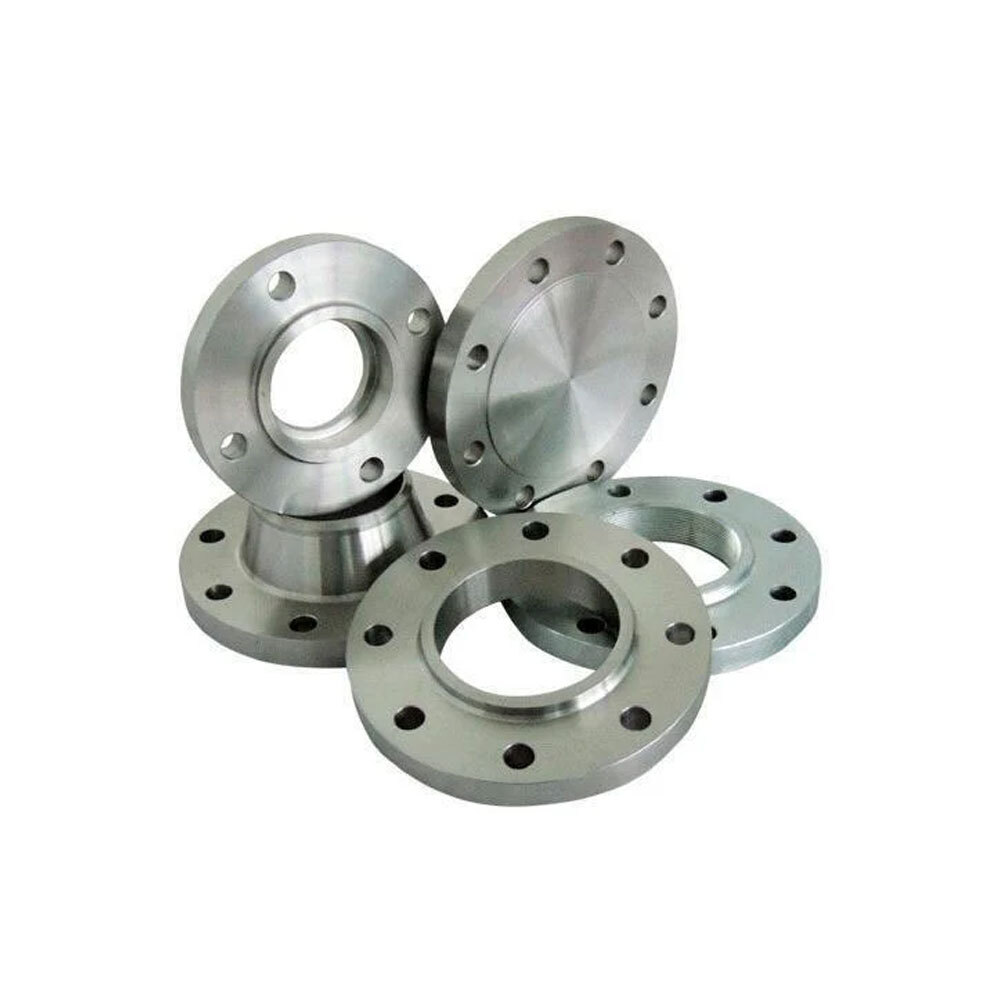
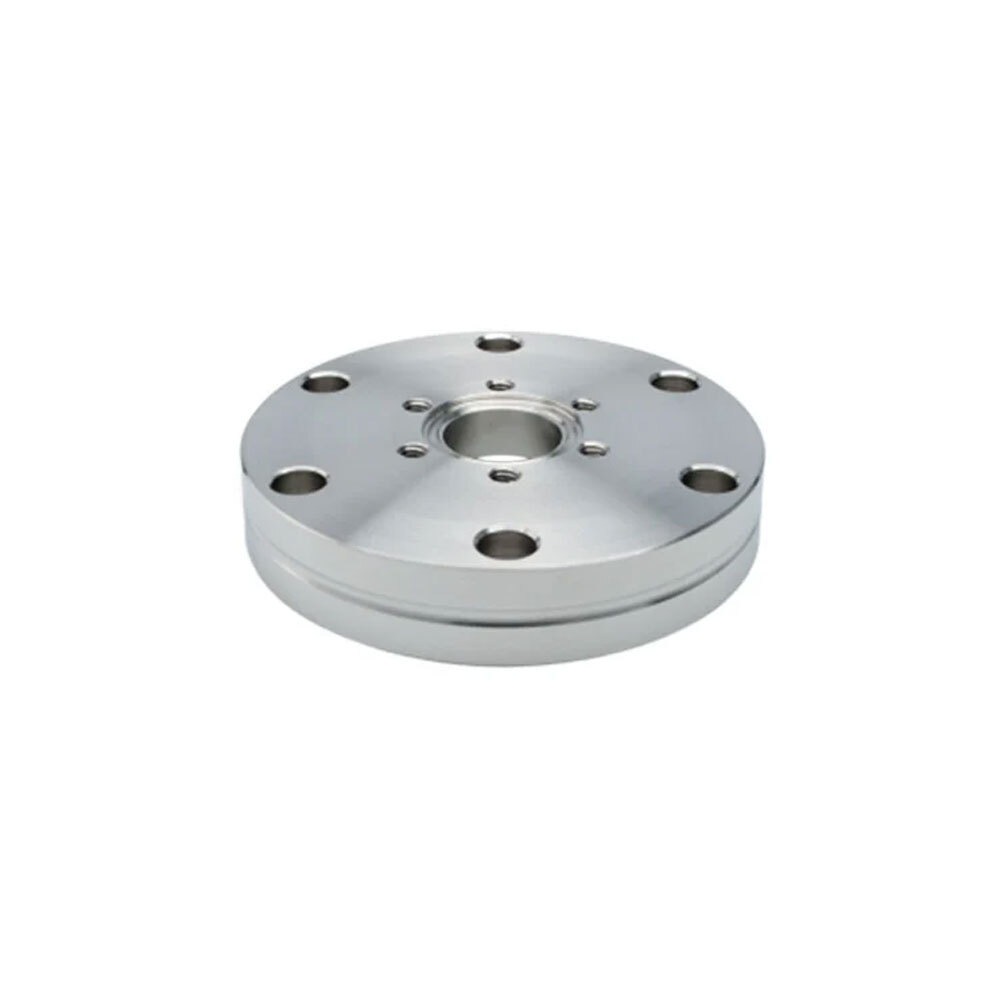
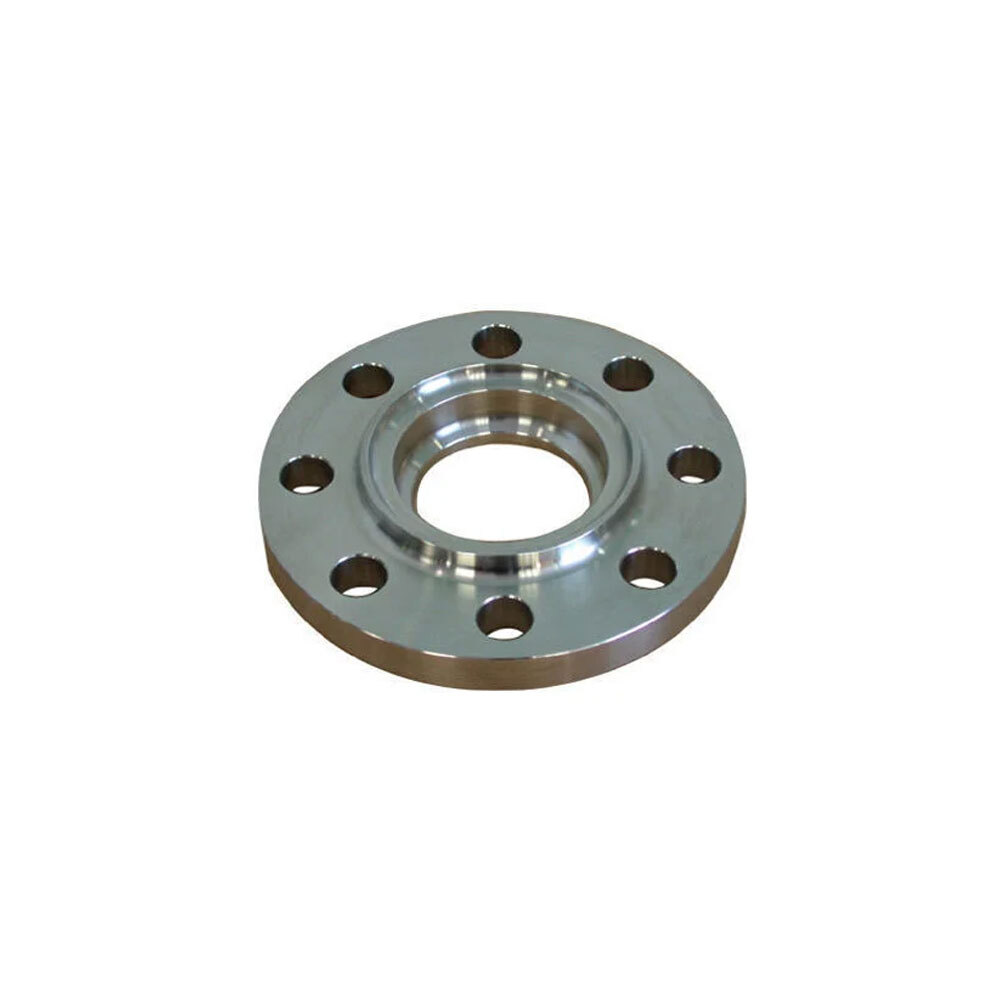
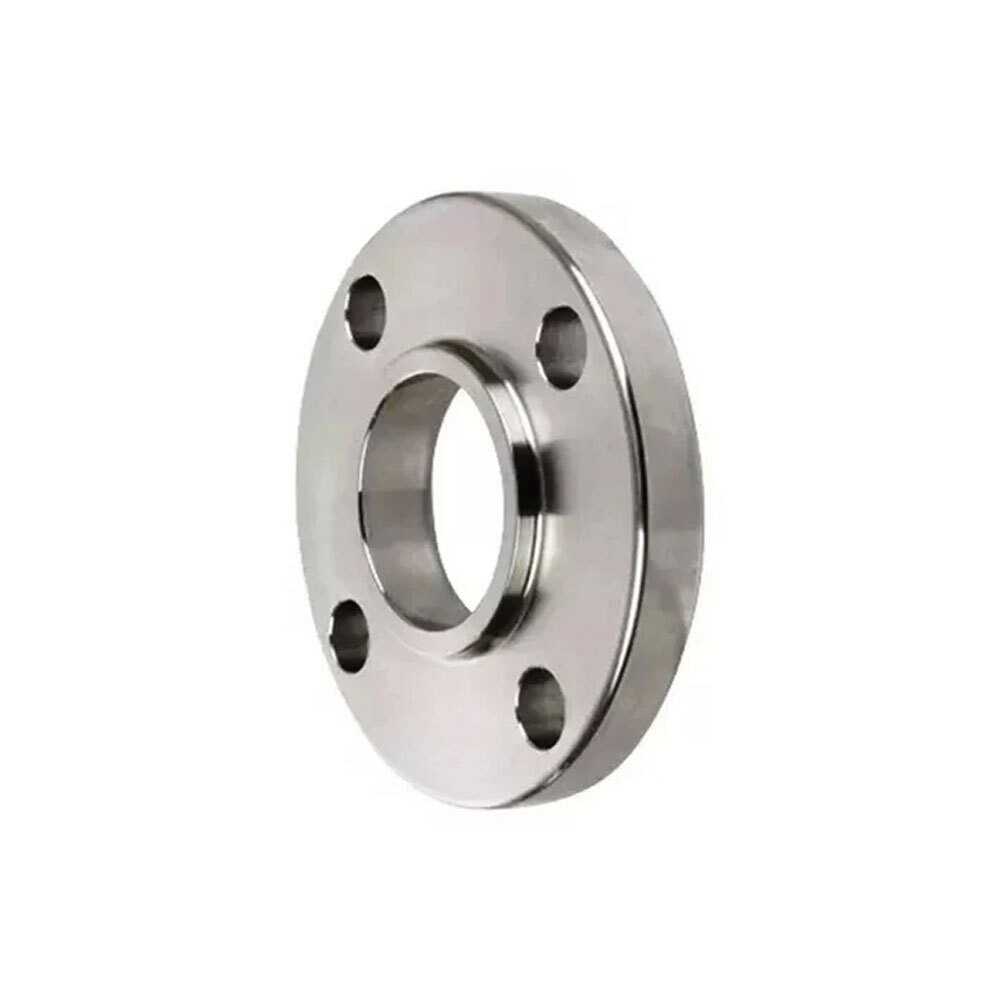
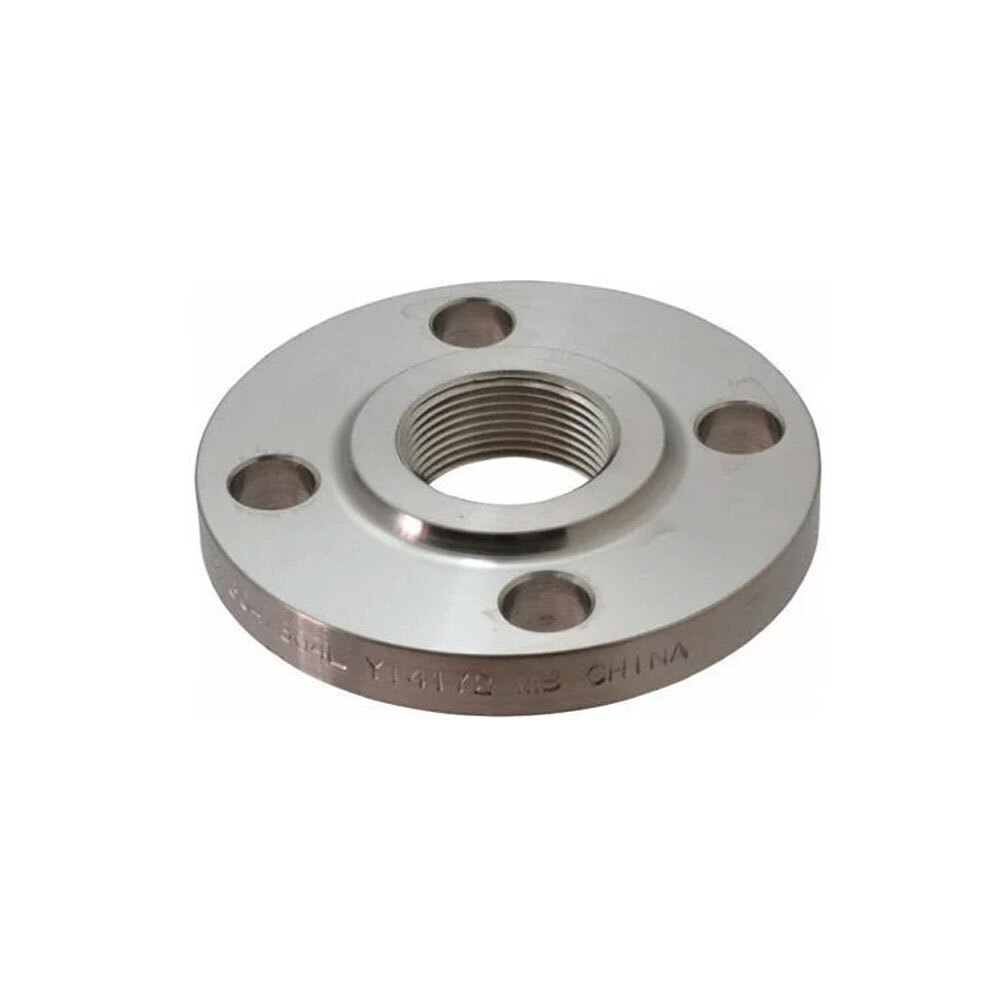
Grab hold of sizzling performance with our exceptional forged steel flanges-crafted to perfection for enviable durability and unmatched versatility. Available in Slip On, Weld Neck, Blind, Socket Weld, Threaded, and Lap Joint types, these top-ranking flanges come in thicknesses from 3mm to 60mm, with raised face, flat face, and RTJ finishes. Featuring bolt holes from 4 to 32, high hardness (HB 130-180), and superior tensile strength (415-485 MPa for A105), they're engineered for demanding applications. Complying with global standards like ANSI, DIN, JIS, BS, and ASTM, we offer full customization for size, surface finish, and connection type. The anti-rust coating and metallic sheen reflect their industry-grade purity and corrosion resistance. Perfect for oil & gas, petrochemical, power plants, and beyond-let us supply you with flanges that meet every project requirement. Exporter, supplier, trader, wholesaler from India.
Unmatched Performance in Industrial Applications
Forged steel flanges play a pivotal role in multiple plant operations, including oil & gas, petrochemical facilities, power plants, and water treatment systems. Their special features-such as high strength, leak-proof joints, and corrosion resistance-make them indispensable in rigorous environments. Besides standard plant uses, these versatile flanges are relied upon in diverse sectors demanding robust pipe fittings. Customization options and multiple end finishes ensure precision fit and enhanced safety in every application where reliability matters most.
Seamless Handover & Proposals for Global Trade
Our forged steel flanges are offered FOB major Indian ports, ensuring timely and reliable handover to clients worldwide. Flexible payment terms adapt to your trading preferences, while our proposals account for precise project requirements. The main domestic market covers all of India, with robust logistics supporting prompt delivery. Whether you need a single order or bulk purchase, our experienced export and trading teams ensure every offer meets exceptional quality and competitive pricing standards.
FAQ's of Forged Steel Flanges:
Q: How are forged steel flanges commonly used in industrial systems?
A: Forged steel flanges are mainly used for connecting pipes, valves, pumps, and other equipment to form a secure, leak-proof piping system. Their robust construction and high strength suit them for high-pressure and high-temperature environments in industries like oil & gas, power generation, and petrochemicals.
Q: What customization options are available for forged steel flanges?
A: Our forged steel flanges can be customized as per customer drawings, including size, thickness, end finish (RF, FF, RTJ), bolt hole count, surface finish, and material grade. This ensures an optimal fit and performance in specialized applications.
Q: When should I choose a specific flange type, such as Slip On or Weld Neck?
A: The choice of flange type depends on your application's pressure, temperature, and connection requirements. Slip On flanges are suitable for low-pressure systems, while Weld Neck flanges are ideal for high-stress, high-temperature conditions. Our experts can guide you in selecting the most appropriate type.
Q: Where do you export and deliver forged steel flanges from?
A: We export and deliver forged steel flanges FOB from major Indian ports. Our extensive logistics network ensures smooth international shipping, while the domestic supply covers clients across India with timely deliveries.
Q: How does the manufacturing process ensure high strength and corrosion resistance?
A: The flanges are manufactured using advanced forging techniques and stringent quality controls. The use of top-grade materials, precise machining, and anti-rust coatings helps achieve high strength, industrial purity, and corrosion resistance to ensure longevity in demanding environments.
Q: What are the benefits of using forged steel flanges compared to cast alternatives?
A: Forged steel flanges offer superior mechanical properties, including higher strength, better resistance to impact and fatigue, and a finer grain structure. They also have improved leak-proof performance, making them ideal for critical industrial applications.
 Mon-Sat 9.00 AM to 6.00 PM




 Send Inquiry


 Send Inquiry
 Send Inquiry
 Send SMS